AI infrastructure starts consuming capital well before it starts serving customers.
Site preparation, equipment procurement, and construction all require investment. Until the facility is commissioned and GPU clusters are ready for production, that investment has yet to become revenue-generating capacity.
Deploy too slowly, and customer opportunities may slip. Build too much too early, and capital sits in capacity that demand has not yet filled.
Modular data centers help address both challenges by shortening infrastructure delivery and allowing capacity to expand in phases.
Shortening the Path to Billable Compute
Traditional data centers rely heavily on coordinated on-site construction, installation, and testing. Modular data centers move more of this work into factories, allowing module production and site preparation to proceed in parallel.
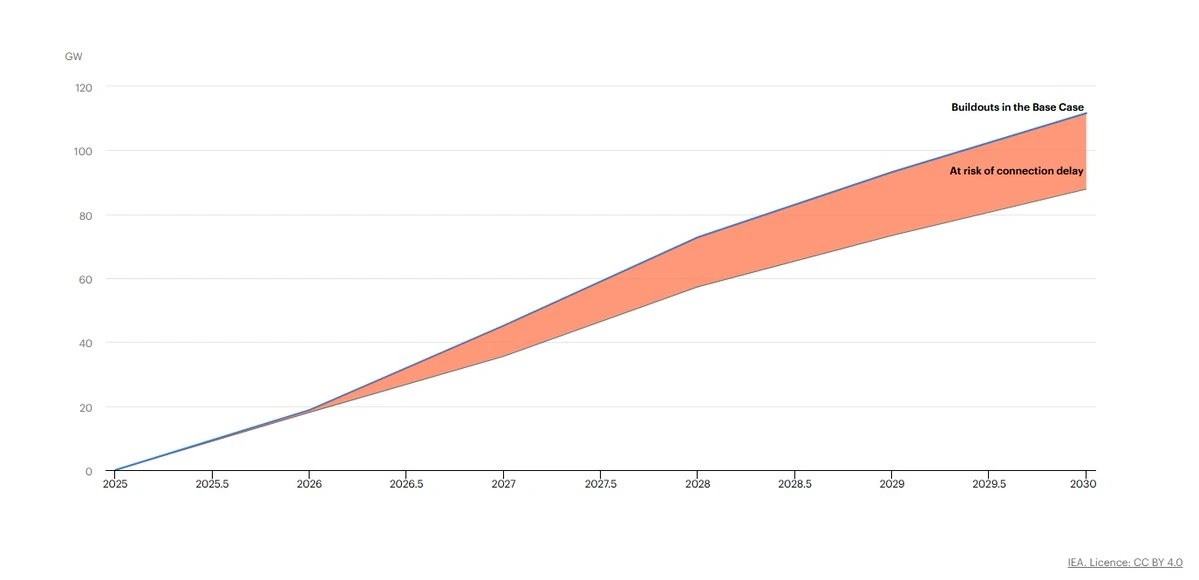
Earlier deployment can mean earlier revenue. For illustration, bringing a 1,024-GPU cluster online 30 days sooner adds 737,280 GPU-hours of potential service capacity. Actual revenue depends on paid utilization and pricing, with GPUs, networking, software, and customer workloads ready at launch.
Keeping Infrastructure Aligned with GPU Evolution
GPU generations bring changing requirements for power, cooling, and networking. Infrastructure planning must account for those changes.
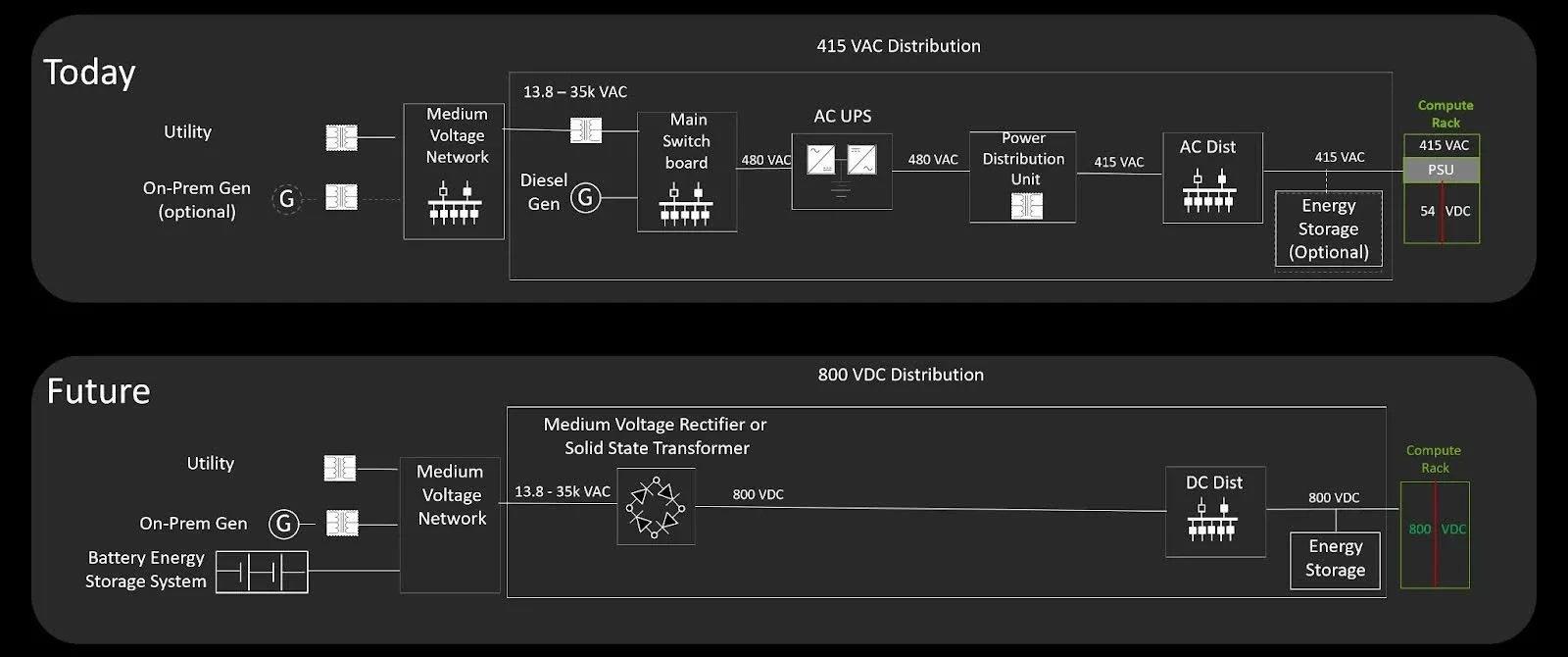
Phased deployment gives operators an opportunity to review later capacity blocks against updated hardware requirements before finalizing their designs. Supporting electrical and cooling systems still need a defined expansion plan, including clear engineering limits and upgrade requirements.
Aligning Capital Investment with Demand
Large upfront construction phases can commit funds before the business needs all the resulting capacity.
Modular deployment allows investment to happen in smaller increments. An initial phase can serve near-term requirements, while subsequent phases follow customer commitments, utilization, and expected growth.
| Priority | Value of modular, phased deployment |
|---|---|
| Faster capacity delivery | Factory integration can run alongside site preparation |
| Better capital timing | Investment can follow successive demand milestones |
| Repeatable expansion | Standardized modules provide defined capacity increments |
| Adaptation to new hardware | Later phases can be reviewed against evolving GPU requirements |
This approach can reduce investment in capacity that is not yet needed. It also requires forward planning: procurement and installation for the next phase must begin early enough to support growth.
Canopy Wave’s Modular AI Data Centers
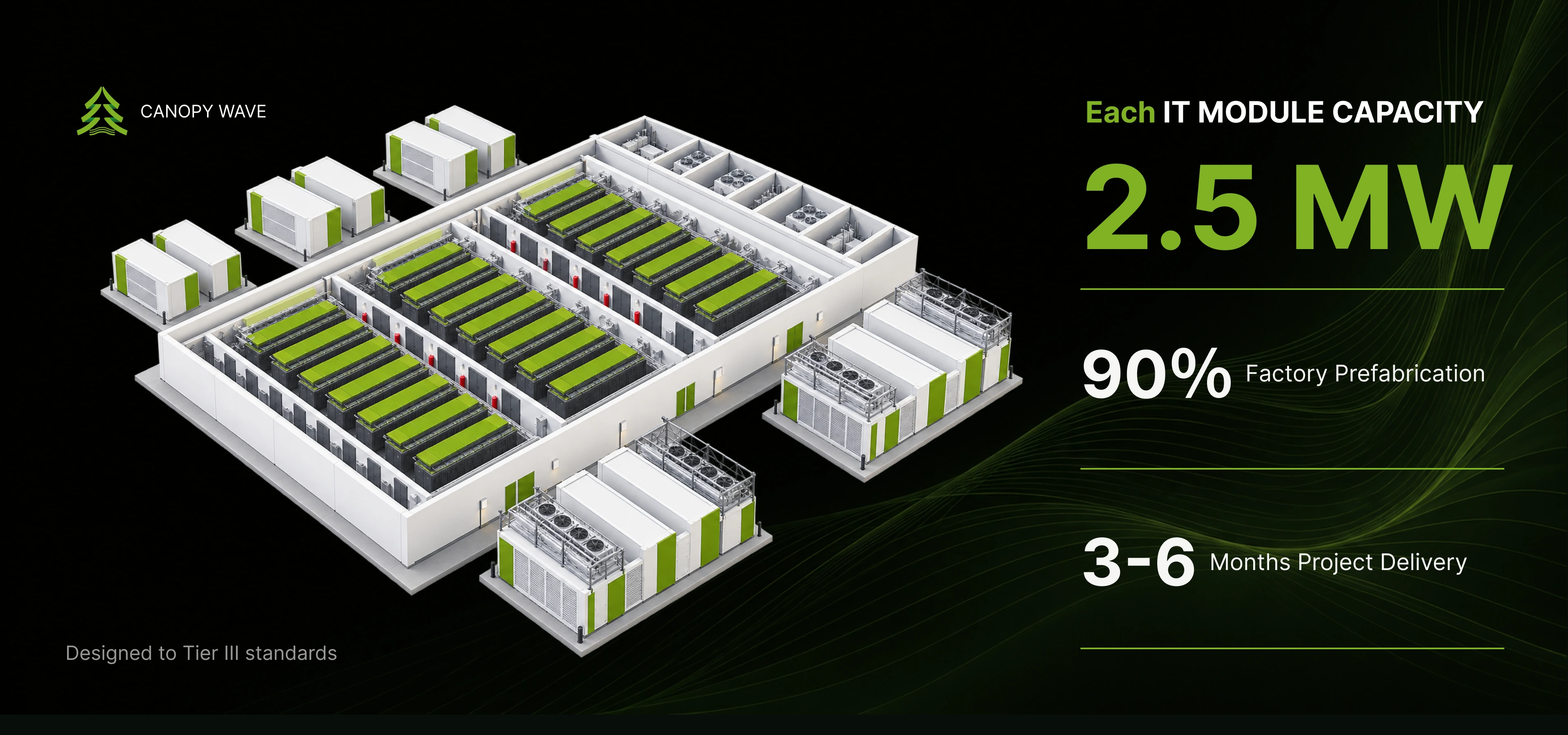
The objective is to connect infrastructure delivery with the commercial plan: bring the required capacity online, prepare for expansion, and commit capital in step with business growth.
Build Capacity Around the Business
AI infrastructure performance should be measured by how reliably and efficiently it turns investment into usable compute.
Modular, phased deployment can help shorten that process and align spending with demand. Its value comes from coordinating infrastructure, GPU availability, and customer readiness around a practical delivery schedule.
Modular deployment is more than a construction strategy. It’s a capital efficiency strategy.