

Cost Breakdown: 32-Unit GB200 GPU Cluster

1. Introduction
The demand for large-scale GPU clusters has surged with the rise of AI training, quantitative finance, high-performance computing (HPC), and large-scale simulation. NVIDIA's GB200 NVL72 represents one of the most advanced GPU server solutions, designed for maximum computational power and scalability.
This analysis provides a structured cost breakdown for deploying a 32×GB200 NVL72 GPU cluster, highlighting the key cost drivers and the critical role of professional installation services.
2. Cost Structure Overview
A well-planned deployment minimizes operational risks and ensures peak cluster performance.
2.1. Hardware Costs
32 × NVIDIA GB200 NVL72 servers (Each system integrates GPUs, CPUs, high-bandwidth memory, and storage subsystems)
• High-speed InfiniBand or Ethernet switches
• Optical transceivers and cabling for inter-node communication
• PDUs (Power Distribution Units)
• KVM and management consoles
2.2. Infrastructure Costs
Rack space and cabinets required to house 32 GB200 NVL72 units and associated hardware
• Estimated power draw per NVL72 × 32 = total cluster load
• UPS and redundant power systems
• Precision air-conditioning or liquid-cooling solutions
• Energy efficiency optimization
2.3. Software and Licensing Costs
• Operating system (Linux distributions or Windows Server)
• NVIDIA drivers, NVSwitch/NVLink management tools
• Cluster schedulers (Slurm, Kubernetes)
• Monitoring, logging, and security solutions
2.4. Labor and Professional Services
• Rack integration, cabling, and power configuration
• Network topology setup and connectivity testing
• GPU driver installation and OS tuning
• Interconnect optimization (low-latency communication)
• User environment setup for AI/HPC workloads
• Benchmarking and stress testing
• Issue resolution during stress tests (e.g., faulty nodes, overheating, network bottlenecks)
• Hardware replacement or reconfiguration
• Documentation and knowledge transfer to client teams
• Long-term support agreements
3. Example Cost Breakdown (32 Nodes)
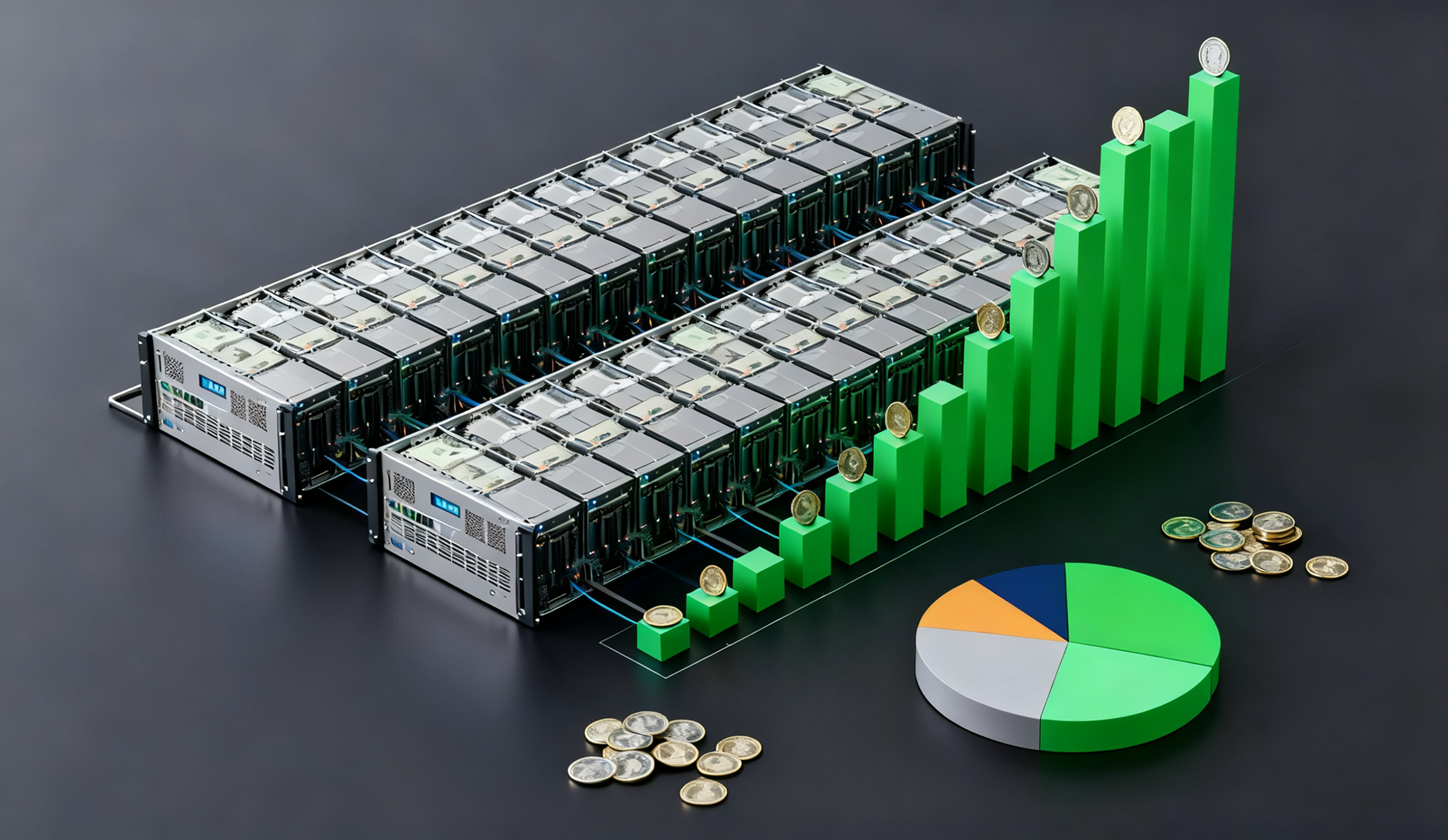
While exact figures vary depending on vendor pricing and infrastructure readiness, a typical distribution is:
| Cost Category | Estimated Share of Total | Budget (USD) |
|---|---|---|
| Hardware (servers, GPUs) | 80-85% | $105M-$126M |
| Infrastructure (rack, power, cooling) | 5-10% | $5.5M-$8.8M |
| Software & Licenses | 1-3% | $1.5M-$2.5M |
| Labor & Services | 5-10% | $3M-$4.5M |
| Total | 100% | $115M-$141.8M |
4. Conclusion and Recommendations
Deploying a 32-node GB200 NVL72 cluster is a large-scale engineering project with complex cost components. Hardware is the largest expense, but installation, optimization, and ongoing maintenance are equally critical to ensure the investment delivers maximum computational performance.
Organizations considering such investments should allocate sufficient budget not only for hardware procurement but also for expert services that ensure seamless deployment and efficient operations. As a specialized partner, Canopy Wave provides end-to-end solutions for GPU cluster projects, covering planning, design, installation, deployment, and ongoing operations and maintenance. This comprehensive approach helps clients build resilient, scalable, and future-ready AI/HPC infrastructures.
